


Resistance-Breaking Insecticides, Discovered From Microbes

Resistance-Breaking Insecticides, Discovered From Microbes

A Systematic Search for New Insecticidal Activity

A Systematic Search for New Insecticidal Activity

Resistance is reducing the effectiveness of established insecticides across important pest populations. Crop protection needs new sources of activity that can complement existing chemistry and extend resistance-management programmes. Microbial diversity contains a wide range of insecticidal activity. BugBiome combines microbial functional profiling with standardised insect phenotyping to search that diversity systematically, so every strain tested improves where we search next.

Resistance is reducing the effectiveness of established insecticides across important pest populations. Crop protection needs new sources of activity that can complement existing chemistry and extend resistance-management programmes. Microbial diversity contains a wide range of insecticidal activity. BugBiome combines microbial functional profiling with standardised insect phenotyping to search that diversity systematically, so every strain tested improves where we search next.

1

1

1

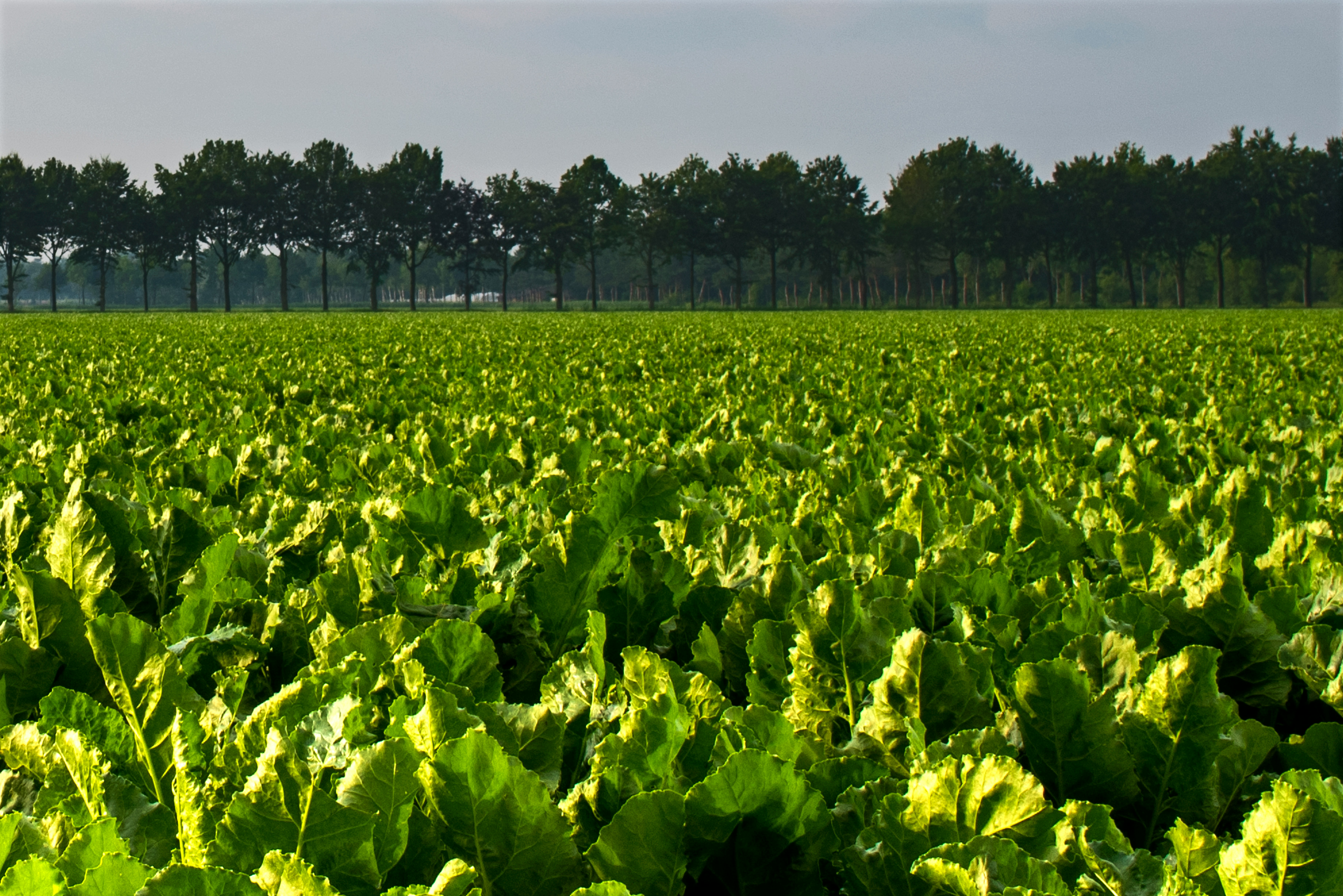
Resistance Is Creating Gaps in Insect Control

Resistance Is Creating Gaps in Insect Control

Resistance is reducing the effectiveness of established insecticides across important pest populations. Growers need new sources of activity that can restore control and strengthen resistance-management programmes.

Resistance is reducing the effectiveness of established insecticides across important pest populations. Growers need new sources of activity that can restore control and strengthen resistance-management programmes.

2

2

2

Microbial Diversity Contains New Sources of Activity

Microbial Diversity Contains New Sources of Activity

Microbes produce a wide range of metabolites and other active materials. BugBiome searches that diversity for insecticidal activity against difficult and resistant pest populations, including organisms outside the genera historically used in crop protection.

Microbes produce a wide range of metabolites and other active materials. BugBiome searches that diversity for insecticidal activity against difficult and resistant pest populations, including organisms outside the genera historically used in crop protection.

3

3

3

BugBiome Has Built a Systematic Way to Find Them

BugBiome Has Built a Systematic Way to Find Them

AMPS profiles microbial function. PANEL measures insect response under standardised conditions. ATLAS connects cultivation, metabolism and phenotype across the collection so every experiment improves which strains and conditions we test next.

AMPS profiles microbial function. PANEL measures insect response under standardised conditions. ATLAS connects cultivation, metabolism and phenotype across the collection so every experiment improves which strains and conditions we test next.

Turning Microbial Diversity Into a Searchable Discovery Space

We describe every strain by genome, cultivation conditions, metabolic profile and insect response. Those measurements create a functional map of the collection, allowing new isolates to be compared against what we already know and directing the next round of discovery.

From Microbial Diversity to Product Leads

AMPS profiles what a strain can produce. PANEL measures what it does to insects. ATLAS connects both across the collection and directs the next round of discovery. Together they move promising activity from first isolation through cultivation, glasshouse testing and field validation.

AMPS

Profiles microbial function and cultivation-dependent metabolic characteristics to guide insect screening.

AMPS

Profiles microbial function and cultivation-dependent metabolic characteristics to guide insect screening.

AMPS

Profiles microbial function and cultivation-dependent metabolic characteristics to guide insect screening.

PANEL

Measures insect responses under standardised screening conditions, giving each strain a comparable activity value.

PANEL

Measures insect responses under standardised screening conditions, giving each strain a comparable activity value.

PANEL

Measures insect responses under standardised screening conditions, giving each strain a comparable activity value.

ATLAS

Connects microbial identity, cultivation conditions, metabolic profiles and insect phenotype to guide subsequent experiments.

ATLAS

Connects microbial identity, cultivation conditions, metabolic profiles and insect phenotype to guide subsequent experiments.

ATLAS

Connects microbial identity, cultivation conditions, metabolic profiles and insect phenotype to guide subsequent experiments.

A Search That Improves With Every Round

The Future of
Crop Protection,
Driven by Data

Every round of screening adds to ATLAS, and a larger ATLAS produces a better ranked list for the round that follows. The advantage compounds with each cycle, and it applies to collections beyond our own, allowing us to work with leaders in crop protection.

BugBiome discovers and develops microbe-derived insecticides for resistant pests, using microbial profiling and insect phenotype to search microbial diversity systematically.

FIND US

John Innes Centre
Norwich Research Park
Colney Ln
Norwich
NR4 7UH

BugBiome discovers and develops microbe-derived insecticides for resistant pests, using microbial profiling and insect phenotype to search microbial diversity systematically.

FIND US

John Innes Centre
Norwich Research Park
Colney Ln
Norwich
NR4 7UH

BugBiome discovers and develops microbe-derived insecticides for resistant pests, using microbial profiling and insect phenotype to search microbial diversity systematically.

FIND US

John Innes Centre
Norwich Research Park
Colney Ln
Norwich
NR4 7UH